
Download Flight To Pluto – space shooter, retro arcade, mobile game, Android game, 80s arcade, space adventure, classic game, 1988 game, 2D shooter, action game, spaceship game, space combat, high scores, game for Android
Overview
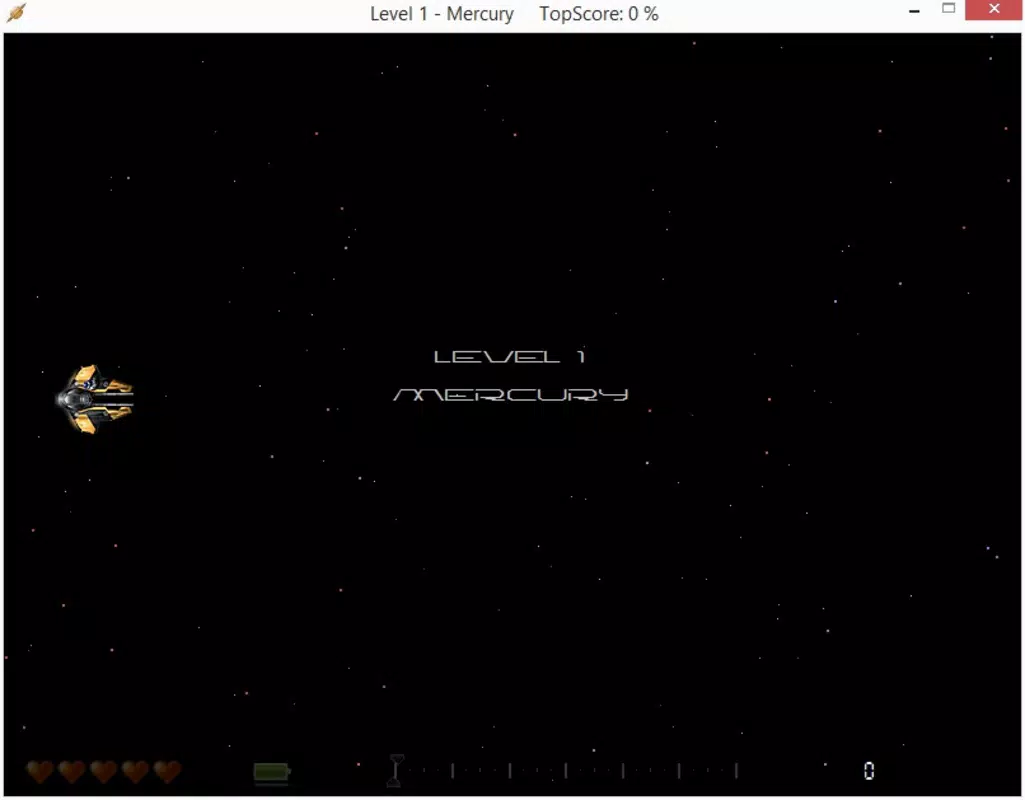
Flight To Pluto delivers a nostalgic yet enduring space combat experience rooted in the legacy of classic arcade gaming. Inspired by the original 1988 title from Delfox, the game reimagines the golden era of 2D shooters for modern mobile platforms. Players assume the role of a lone pilot navigating through hostile cosmic environments, tasked with eliminating enemy vessels while evading deadly asteroids. The game’s core purpose lies in delivering fast-paced, reflex-driven gameplay that emphasizes precision, timing, and strategic decision-making. It appeals to fans of retro arcade titles, mobile gamers seeking nostalgic challenges, and anyone drawn to minimalist yet intense action experiences. The game’s structure is built around progression—nine distinct levels that escalate in difficulty, each introducing new obstacles and enemy patterns. This progression ensures sustained engagement, particularly for players who value skill mastery and high-score chasing. The developer, Delfox, has maintained the authenticity of the original concept, preserving its raw charm and gameplay mechanics. Though no further details about the developer’s background were provided, the game’s enduring presence since 2014 speaks to its reliability and appeal. Real-world use cases include casual play sessions during downtime, competitive score attempts, and nostalgic gaming for those who remember the 80s arcade scene. In today’s crowded mobile gaming market, Flight To Pluto stands out as a minimalist yet focused utility for fans of arcade-style action.Key Features & Functionality
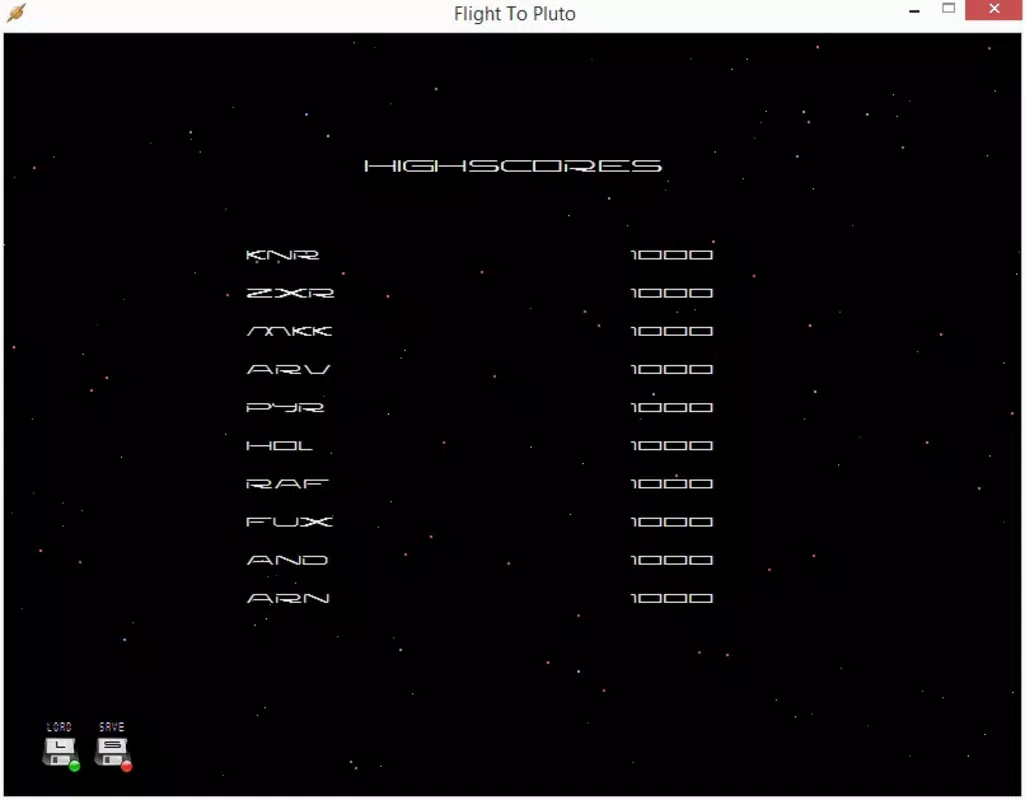
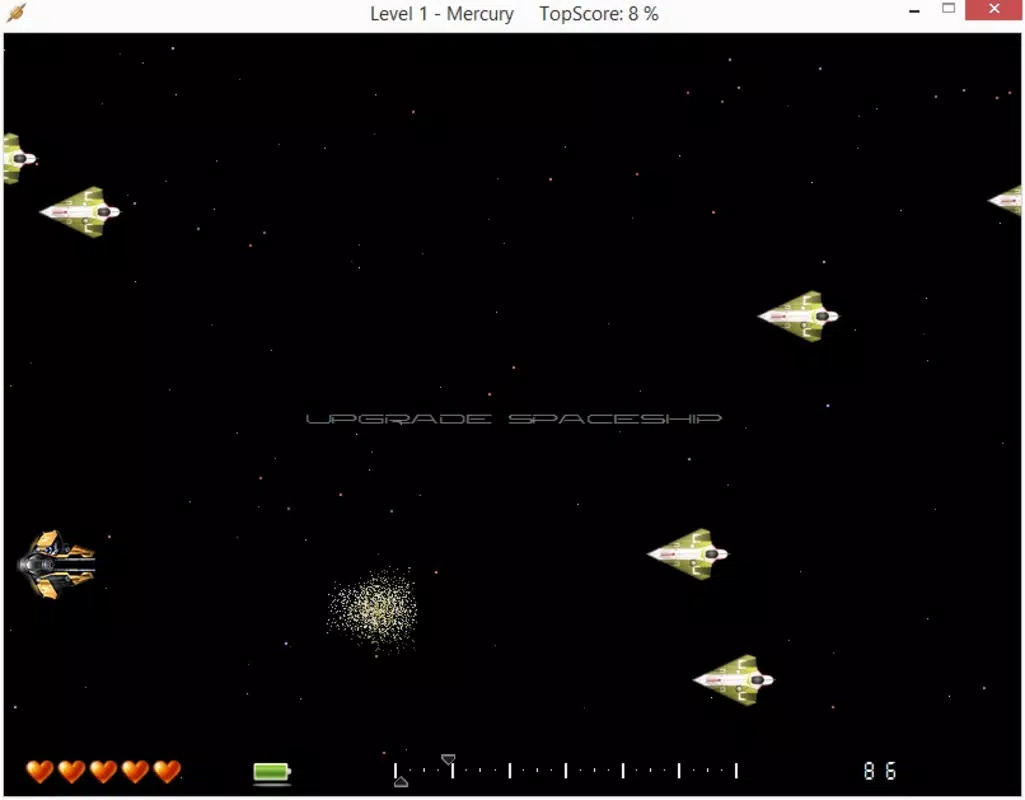
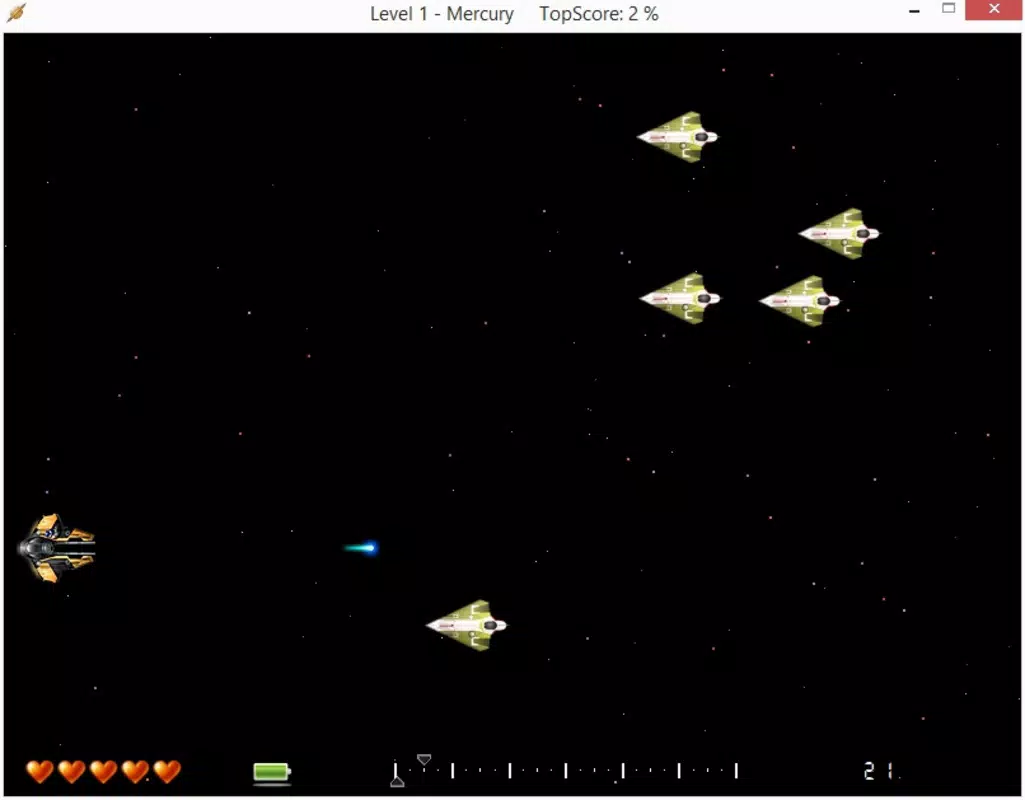
The gameplay of Flight To Pluto centers on a tight, responsive control system and a layered challenge structure designed to test player reflexes and tactical awareness. Each of the nine levels introduces new environmental threats and enemy configurations, requiring players to adapt their strategies in real time. The core mechanic revolves around eliminating enemy ships while avoiding asteroid fields, especially when traversing planetary atmospheres where meteorite activity intensifies. This dynamic creates a rhythm of aggression and evasion, where success depends on split-second decisions. Weapon evolution is a central progression system—players gain access to increasingly powerful upgrades as they advance, enabling more effective offense against tougher foes. The strategic use of these enhancements is essential for surviving later stages. Power-ups are scattered throughout the levels, offering temporary boosts such as enhanced firepower, shield protection, or rapid-fire capabilities. These collectibles add a layer of risk-reward gameplay, as players must decide whether to pursue them amidst enemy fire. The leaderboard system encourages replayability by ranking players based on score, turning each session into a potential climb toward the top. This competitive edge fosters long-term engagement, particularly for players aiming to perfect their runs and achieve personal bests. Real-world examples include using the game during short breaks, competing with friends via score comparisons, or practicing for personal high-score records. The combination of escalating difficulty, upgrade mechanics, and score-based competition makes Flight To Pluto a compelling tool for short bursts of focused action.Interface, UX & Performance
The user interface of Flight To Pluto follows a minimalist, retro aesthetic consistent with its 80s arcade roots. The visual design prioritizes clarity and readability, with clean lines, bold color contrasts, and a straightforward layout that minimizes distractions. Navigation is intuitive, relying on simple touch controls that respond immediately to player input. Movement and firing are handled through on-screen directional and action buttons, allowing for smooth gameplay even during high-intensity sequences. The game maintains a consistent frame rate across various device categories, ensuring that action remains fluid and responsive. Although the developer did not list formal performance metrics, the game’s lightweight file size of 11.8 MB suggests efficient resource usage, making it accessible on a wide range of Android devices. Responsiveness is strong, with minimal input lag, which is critical in a fast-paced shooter. Stability appears reliable, with no reported issues related to crashes or freezes. The game’s performance is optimized for mobile hardware, allowing it to run smoothly even on older or entry-level devices. Visual feedback during collisions, weapon upgrades, and power-up activation is immediate and clear, enhancing the player’s sense of control. The audio design, while not detailed in the provided data, complements the gameplay with simple sound cues that reinforce key actions. Overall, the user experience is streamlined and focused, delivering a no-frills arcade experience that prioritizes gameplay over visual polish. The interface remains unobtrusive, allowing players to remain immersed in the action without unnecessary interruptions.Platform Compatibility & Technical Requirements
Flight To Pluto is available exclusively on the Android platform, making it accessible to users of Android-powered smartphones and tablets. The current version is 1.0.1, with a file size of 11.8 MB, indicating a lightweight installation that requires minimal storage space. This small footprint ensures compatibility with a broad range of devices, including older models and budget-friendly smartphones. The developer did not specify minimum OS requirements or hardware specifications, so compatibility may vary depending on device capabilities. However, the game’s low size and 2D graphics suggest it is designed to function efficiently across diverse Android environments. No additional permissions or background services were mentioned in the provided information. Users should ensure their device supports Android applications and has sufficient storage for installation. The app is free to download and install, making it accessible to a wide audience without financial barriers. Given its release date of October 29, 2014, the game has undergone long-term stability testing through real-world use, which contributes to its reliability. While specific compatibility details were not listed, the app’s enduring presence on the platform indicates consistent performance across updates and system changes.Pros and Cons
- Lightweight design at only 11.8 MB, ideal for low-storage devices
- Free to download and install, with no in-app purchases
- Classic 2D shooter gameplay with nostalgic appeal
- Progressive difficulty and nine distinct levels for sustained engagement
- Leaderboard system encourages replayability and competitive play
- Simple, responsive controls optimized for touchscreens
- No detailed information on minimum OS or hardware requirements
- Visual and audio design limited to retro simplicity—may not appeal to modern graphics-focused users
- Only nine levels may feel short for players seeking long-term content
- No multiplayer or cooperative modes available
- Updates have not been reported since 2014, raising questions about long-term support


